
Clear answers before you build, buy, or schedule service.
Practical pool, hot tub, swim spa, backyard design, and service education for Greater Lafayette and Indiana homeowners. Learn the real decision factors before making a major backyard investment.
Start with the question you are trying to answer.
If you are comparing pool types, start with the pool type guide. If you are trying to understand budget, start with the cost guide. If you already own a pool or spa, use the service and water care guide for practical next steps.
Start with the articles that answer the biggest buying questions.
These are the highest-value education pieces because they match real homeowner decision-making: cost, pool type, process, features, hot tubs, and service.
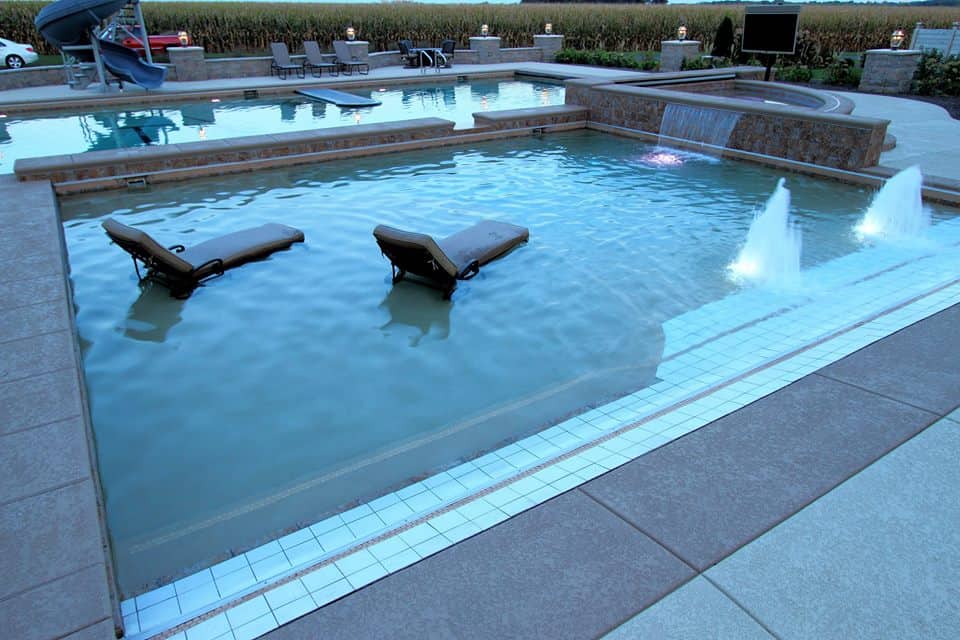
How Much Does an Inground Pool Cost in Indiana?
A practical guide to pool budgets, construction type, access, decking, equipment, covers, water features, site conditions, and why the cheapest quote is not always the safest project path.
Read Cost GuideFiberglass vs Vinyl Liner vs Gunite Pools
Explain price, timeline, design flexibility, maintenance, surface feel, and long-term ownership.
Read Comparison →What Actually Happens During Pool Installation?
Walk homeowners through design, access, excavation, utilities, equipment, decking, inspections, startup, and handoff.
Read Process Guide →How to Choose the Right Hot Tub
Compare seating, jet feel, electrical, water care, delivery, warranty, SmartTub features, and long-term support.
Read Hot Tub Guide →Explore pool, spa, service, and backyard planning guides.
Use these guides to compare options, understand project costs, plan your backyard, and feel more confident before starting a pool, hot tub, swim spa, or service conversation.
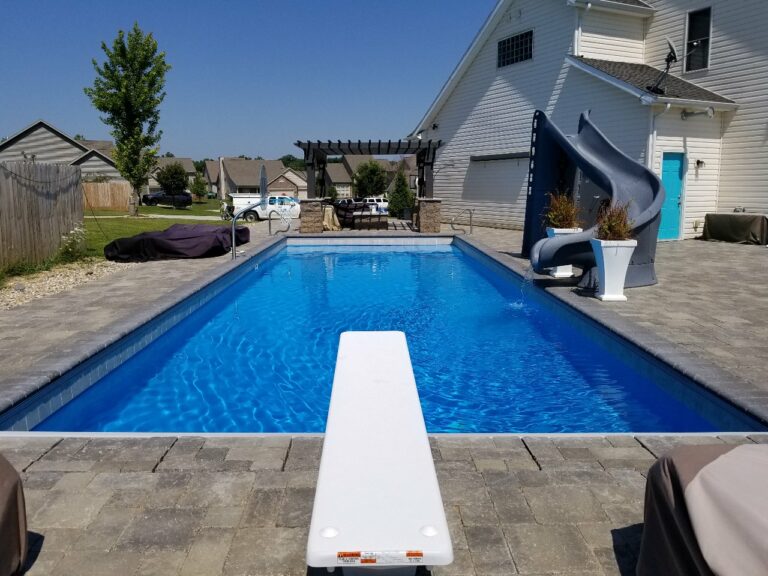
How Much Does an Inground Pool Cost in Indiana?
Understand the real variables behind pool budgets before comparing quotes.
Read Guide →
Fiberglass vs Vinyl Liner vs Gunite Pools
Compare pool types by budget, timeline, design flexibility, and ownership.
Compare Options →
What Affects Gunite Pool Cost?
Shape, tile, plaster, water features, spas, automation, and outdoor living scope.
Read Article →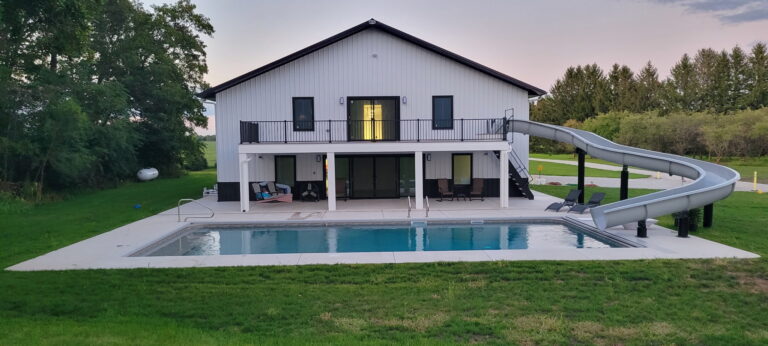
Fiberglass Pool Cost and Ownership Guide
Shell size, access, crane needs, equipment, decking, and long-term maintenance.
Read Article →
Vinyl Liner Pool Cost and Ownership
Custom shapes, liner replacement, maintenance, and long-term ownership factors.
Read Article →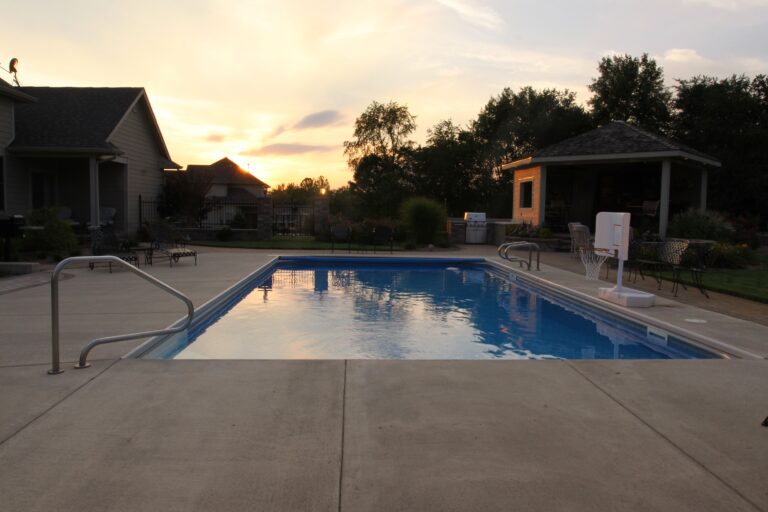
Best Pool Features to Consider Before You Build
Tanning ledges, bubblers, slides, covers, lighting, automation, heaters, and decking.
Read Article →
How to Choose the Right Hot Tub
Seating, jets, size, SmartTub, electrical, delivery, covers, water care, and support.
Read Article →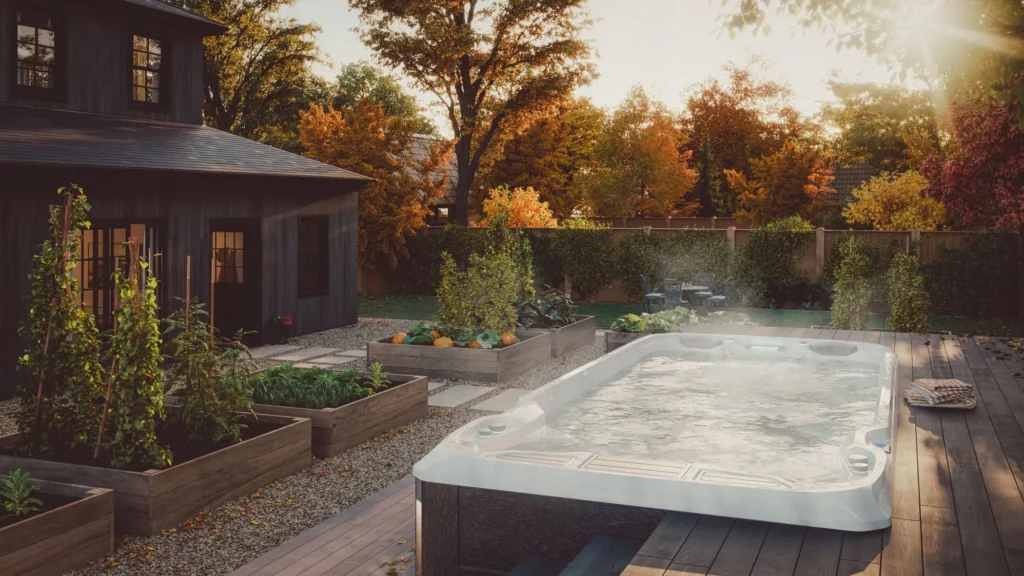
Swim Spa vs Pool: Which Fits Your Backyard?
Compare exercise, space, budget, year-round use, maintenance, and recreation.
Read Article →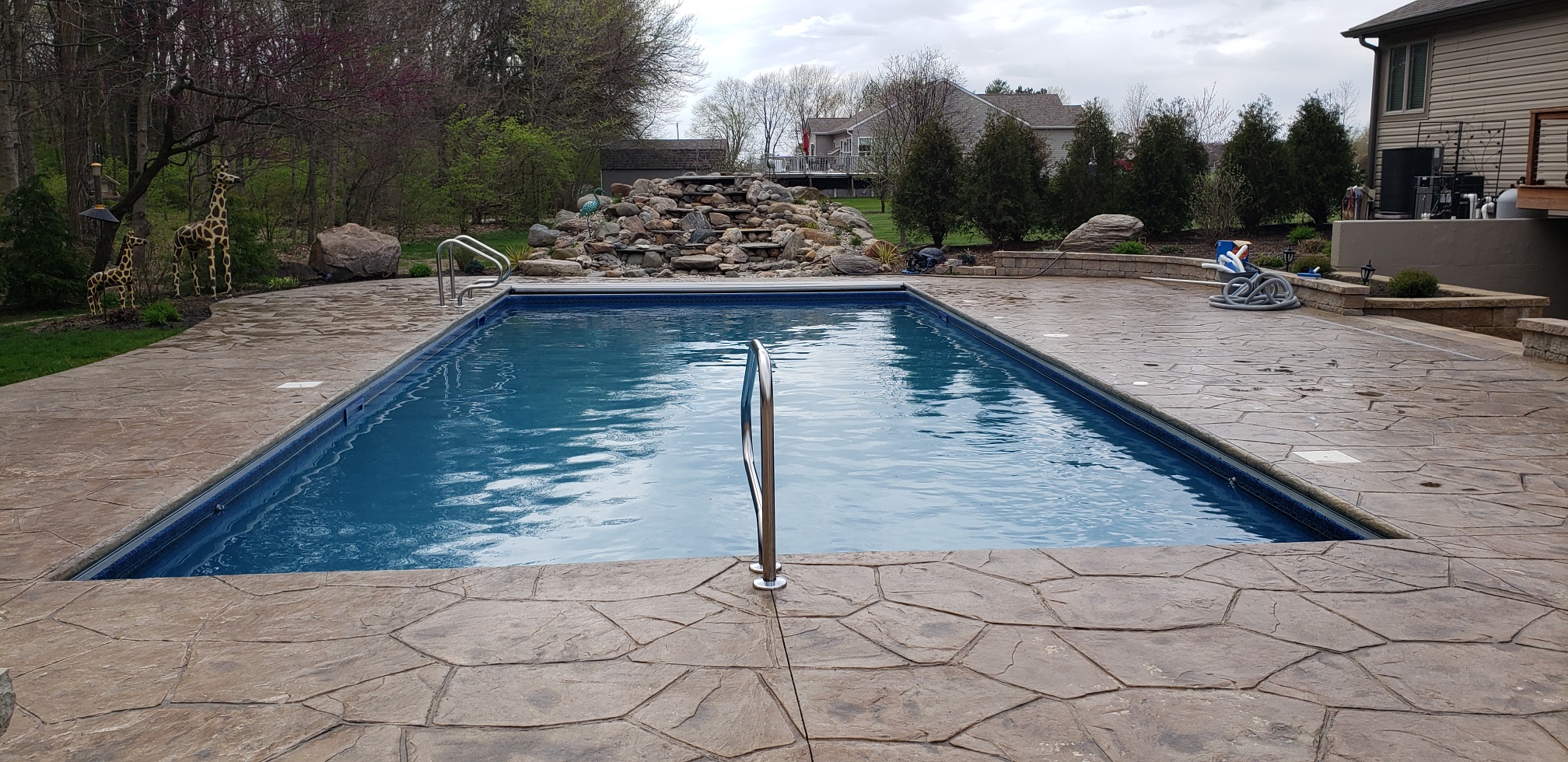
Pool Opening, Closing, and Water Care Checklist
Seasonal pool service basics for Indiana homeowners.
Read Article →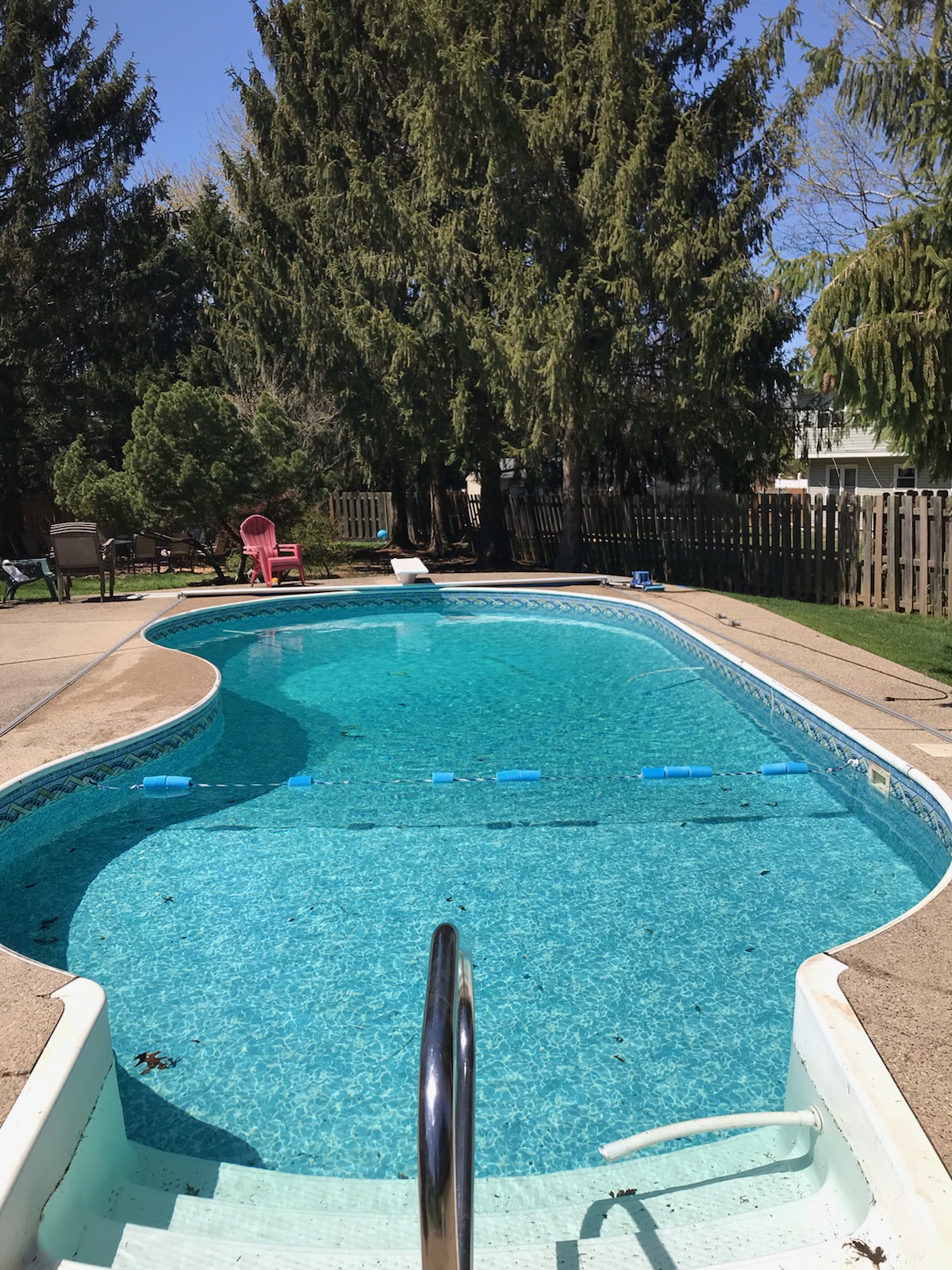
Why Local Pool and Spa Support Matters
Learn why service, water testing, retail support, and local accountability matter after the sale.
Read Article →Find the guide that matches your next decision.
Whether you are comparing pool types, planning a full backyard, choosing a hot tub, or trying to understand long-term maintenance, these resources are built to help you move forward with more clarity.
Pool Cost and Planning
Understand the major budget factors before comparing pool quotes or choosing a pool type.
Read Cost Guide →Pool Type Education
Compare fiberglass, vinyl liner, and gunite pools based on design, timeline, budget, and ownership.
Compare Pool Types →Backyard Design
Learn how features, patios, covers, lighting, privacy, drainage, and layout affect the final backyard.
Explore Design Ideas →Service and Ownership
Get practical guidance on openings, closings, water testing, maintenance, and long-term pool care.
Read Service Guide →In-depth answers for pool, spa, and backyard planning.
Use these guides to understand costs, compare options, plan your space, and know what questions to ask before starting a project or scheduling service.
How Much Does an Inground Pool Cost in Indiana?
A practical guide for homeowners trying to understand real pool budgets before comparing quotes.
The short answer
The cost of an inground pool in Indiana depends less on one simple pool number and more on the entire project scope. Pool type, size, access, grading, equipment, decking, covers, utilities, features, and site conditions all affect the final budget.
That is why two homeowners can ask for the same general pool size and still receive very different proposals. One yard may have easy access and simple decking. Another may need retaining walls, major grading, tight equipment access, a large patio, upgraded automation, a heater, a safety cover, or water features.
What drives pool cost the most?
- Pool type: Fiberglass, vinyl liner, and gunite all have different installation methods, design flexibility, and long-term ownership costs.
- Pool size and shape: Larger pools, custom shapes, deeper profiles, benches, tanning ledges, and special layouts increase scope.
- Decking and patio area: The pool itself is only one part of the backyard. Concrete, pavers, drainage, steps, and seating areas can become a major cost driver.
- Equipment package: Pumps, filters, heaters, salt systems, automation, lighting, and covers change both upfront cost and long-term usability.
- Site conditions: Slope, soil, access, utilities, drainage, tree removal, and retaining walls can change the project dramatically.
Why low bids can become expensive
A low bid can look appealing if it only shows a base pool number. The risk is that the quote may not include enough of the actual project. If access, drainage, decking, cover needs, equipment details, or site realities are not defined upfront, the homeowner may face surprises later.
For a major backyard investment, the goal should not be the lowest starting number. The goal should be the clearest scope and the most predictable path from planning to completion.
How Aquarius approaches pricing conversations
At Aquarius Pools & Spas, the better first question is not, “What is the cheapest pool?” It is, “What backyard are you actually trying to create, and what are the realistic options for your site?” Once the goals, pool type, site access, equipment, cover, and surrounding space are better understood, the budget conversation becomes more useful.
That is why using a pricing estimator or talking with a local team is often more helpful than guessing from national averages. Your yard, timeline, and expectations matter.
Fiberglass vs Vinyl Liner vs Gunite Pools
A clear comparison of the three major inground pool options for Indiana homeowners.
Why pool type matters
Choosing the right pool type affects cost, timeline, design flexibility, surface feel, maintenance, and long-term ownership. Fiberglass, vinyl liner, and gunite pools can all be excellent options, but they are not the same product.
The best choice depends on what matters most to you: speed, customization, initial cost, lifetime maintenance, shape options, premium finishes, or overall backyard design.
Fiberglass pools
Fiberglass pools are factory-built shells that are delivered to the site and installed in the prepared excavation. They are popular because they offer a smooth surface, faster installation timeline, and simpler day-to-day ownership compared with some other options.
Fiberglass is often a strong fit for homeowners who like a pre-designed shape, want a cleaner installation path, and prefer lower maintenance. The tradeoff is that you choose from available shell models instead of designing an unlimited custom shape.
Vinyl liner pools
Vinyl liner pools are a flexible option for homeowners who want a custom shape at a more approachable starting point than many fully custom gunite projects. They can be designed in a wide range of shapes and sizes, and liner patterns provide a lot of visual choice.
The key ownership factor is the liner itself. Liners eventually need replacement, so homeowners should think about long-term replacement cost and care, not only the initial build cost.
Gunite pools
Gunite pools are built on-site and provide the highest level of design flexibility. If you want a fully custom shape, integrated spa, premium waterline tile, custom depth profile, water features, tanning ledges, or a luxury outdoor living design, gunite is often the most flexible option.
The tradeoff is that gunite projects can involve more complexity, more finish decisions, and often a higher investment. They are best suited for homeowners who value customization and a premium result.
Which one is best?
There is no universal best pool type. There is only the best fit for your yard, budget, expectations, and long-term ownership goals.
- Choose fiberglass if you want a smooth shell, strong model selection, and a cleaner installation path.
- Choose vinyl liner if you want shape flexibility with a more budget-conscious custom option.
- Choose gunite if you want the highest level of customization and premium design control.
What Affects Gunite Pool Cost?
A guide to the choices that shape a custom gunite pool budget.
Gunite is about customization
Gunite pools are ideal for homeowners who want a custom pool rather than a pre-set shell or basic shape. The biggest advantage is flexibility. The same flexibility is also why gunite pricing can vary significantly from one project to another.
A simple gunite pool and a high-end custom gunite pool with a spa, water features, premium tile, specialty plaster, lighting, automation, and outdoor living space are very different projects.
Major cost factors
- Shape and size: Freeform layouts, large pools, deep ends, benches, and tanning ledges require more design and construction scope.
- Interior finish: Plaster type, color, aggregate finishes, and premium surface selections affect cost and appearance.
- Waterline tile: NPT tile and other premium tile selections can dramatically change the feel of the pool.
- Water features: Raised walls, sheer descents, bubblers, fountains, and spillovers add plumbing, equipment, design, and finish work.
- Integrated spa: A spa adds complexity, plumbing, heating demands, controls, and a larger equipment package.
When gunite makes the most sense
Gunite makes the most sense when the homeowner wants a custom backyard centerpiece. If you care about the exact shape, depth, finish, waterline tile, benches, ledges, and integrated outdoor living features, gunite gives you more creative control.
If you primarily want a straightforward pool with a faster installation path, fiberglass or vinyl liner may be worth comparing. If you want a custom resort-style backyard, gunite often becomes the stronger fit.
Fiberglass Pool Cost and Ownership Guide
What Indiana homeowners should understand before choosing a fiberglass pool.
Why homeowners choose fiberglass
Fiberglass pools are popular because they offer a smooth surface, clean design options, and a faster installation path than many fully custom builds. The shell is manufactured off-site, delivered to your home, and installed into a prepared excavation.
This can make the project feel more predictable, especially for homeowners who find a model that already fits their goals.
What affects fiberglass pool cost?
- Shell size and model: Larger shells and more complex shapes typically increase cost.
- Delivery and access: The pool has to physically reach the backyard. Tight access, crane needs, fences, and utilities matter.
- Equipment package: Pump, filter, heater, salt system, automation, lighting, and cover choices change the budget.
- Patio and decking: The space around the pool often becomes a major part of the project.
- Site preparation: Excavation, grading, drainage, and restoration affect the full project cost.
Who fiberglass is best for
Fiberglass is a strong fit for homeowners who want a beautiful pool without needing a completely custom shape. It can also be a good fit when the homeowner wants a smoother surface and lower day-to-day maintenance compared with some other pool types.
The main limitation is model selection. You choose from existing shell shapes and sizes. If one of those models fits your yard and lifestyle, fiberglass can be an excellent option.
Vinyl Liner Pool Cost and Ownership Guide
A practical look at why vinyl liner pools remain a strong choice for many homeowners.
Why vinyl liner pools are popular
Vinyl liner pools offer a flexible way to build a custom pool shape while keeping the project more budget-conscious than many highly customized gunite builds. They can work well for homeowners who want a tailored layout, a comfortable surface, and a wide range of liner pattern options.
What affects vinyl liner pool cost?
- Pool shape and size: Larger and more complex layouts increase the project scope.
- Wall system and structure: The construction method and wall system matter for long-term performance.
- Liner pattern: Liner selection changes the appearance and feel of the finished pool.
- Decking and coping: The finished edge and patio area strongly affect the total budget.
- Future liner replacement: Vinyl ownership includes the eventual cost of replacing the liner.
What homeowners should know
Vinyl liner pools can be a smart long-term option, but the liner is a wear item. Homeowners should care for the water, avoid sharp objects, and understand that liner replacement is part of long-term ownership.
When planned correctly, a vinyl liner pool can provide a beautiful backyard space with a strong balance of customization and value.
Best Pool Features to Consider Before You Build
The right features should support how your family will actually use the backyard.
Features should match the way you live
The best pool features are not always the flashiest. They are the features that make your pool easier to use, more enjoyable, safer, and more aligned with how your family spends time outside.
Popular pool features to consider
- Tanning ledges: Great for lounging, kids, shallow seating, and visual appeal.
- Bubblers and water features: Add movement, sound, and a more resort-like feel.
- Lighting: Extends use into the evening and makes the backyard feel premium.
- Heaters: Help extend the swimming season and make the pool more comfortable.
- Automatic covers: Add convenience, safety, and heat retention benefits.
- Automation: Makes it easier to control lights, temperature, and equipment.
Design the space around the pool
A great backyard is more than a pool. You also need to think about furniture, shade, privacy, grilling, traffic flow, steps, storage, drainage, and how people will move from the house to the water.
Planning these details early helps avoid a pool that looks good on paper but feels awkward to use.
What Actually Happens During Pool Installation?
A simple breakdown of the construction path from first conversation to finished backyard.
Step one: discovery and scope
The process should start with goals, budget range, timeline, pool type, backyard layout, and site realities. A good first conversation should help you understand your options before you commit.
Step two: design and selections
Once the direction is clear, the next step is defining the pool type, size, features, equipment, cover, decking, and any outdoor living components. This is where scope clarity matters. The more defined the scope is before construction, the fewer surprises the homeowner faces later.
Step three: planning and scheduling
Before excavation starts, the builder needs to account for site access, utilities, equipment staging, permitting, material coordination, and sequencing. The homeowner should understand what happens next and what decisions still need to be made.
Step four: construction
Construction varies by pool type, but usually includes layout, excavation, pool placement or shell construction, plumbing, electrical coordination, equipment installation, backfill, decking, cleanup, and startup.
Step five: handoff and ownership
The project does not end when construction finishes. Homeowners need startup guidance, water care support, equipment orientation, service options, and a local team they can reach when questions come up.
How to Choose the Right Hot Tub
A practical guide for choosing a hot tub that fits your space, lifestyle, and long-term ownership needs.
Start with how you will use it
The right hot tub depends on how you plan to use it. Some people want quiet relaxation. Others want hydrotherapy, family time, entertaining, or daily wellness routines. The best model is the one that matches your real use case.
What to compare
- Seating: Decide whether you want upright seats, lounge seats, therapy seats, or a mix.
- Jets: More jets are not always better. Placement, feel, and pump performance matter more.
- Size: Match the spa to your patio, deck, access path, and number of regular users.
- Electrical and delivery: Plan access, pad, electrical requirements, and cover clearance before purchase.
- Support: Buy from a local team that can help with service, water care, filters, covers, and ownership questions.
Why local support matters
A hot tub is not just a one-time purchase. You will need filters, chemicals, water testing, service support, warranty help, and advice. A strong local dealer makes ownership much easier.
If you are choosing between models, visit the showroom, sit in the spas, ask about delivery, understand the electrical requirements, and talk through how water care works.
Swim Spa vs Pool: Which Fits Your Backyard?
A simple comparison for homeowners deciding between recreation, wellness, and full backyard transformation.
Different products, different goals
A pool and a swim spa can both improve your backyard, but they serve different needs. A pool is usually better for family recreation, entertaining, and full backyard design. A swim spa can be better for exercise, compact spaces, wellness, and extended seasonal use.
When a swim spa makes sense
- You want exercise and therapy more than large-scale recreation.
- Your yard does not easily support a large pool project.
- You want a more compact installation footprint.
- You want warm-water wellness and swim current training.
When a pool makes sense
A pool is usually the better choice if you want a larger entertainment space, more room for kids, a full outdoor living transformation, or a high-end backyard centerpiece.
Pool Opening, Closing, and Water Care Checklist
Seasonal service basics for Indiana pool owners.
Indiana pools need seasonal planning
Indiana pool ownership is seasonal. Opening, closing, water balance, equipment checks, and winterization all matter because the pool has to handle changing temperatures and freeze cycles.
Pool opening basics
- Remove and clean the cover carefully.
- Inspect equipment, plugs, fittings, and water level.
- Start circulation and check for leaks or unusual sounds.
- Test and balance water before heavy use.
Pool closing basics
- Balance water before closing.
- Winterize plumbing, equipment, and applicable features.
- Protect heaters, pumps, filters, skimmers, and lines.
- Install the correct cover based on pool and cover type.
Water care and testing
Cloudy water, algae, odor, staining, and scale usually start with water chemistry, circulation, filtration, or inconsistent maintenance. Bringing a fresh water sample to the store can save time and prevent guessing with chemicals.
Why Local Pool and Spa Support Matters
A pool or spa is easier to own when the same local team can help with planning, service, water care, supplies, and long-term support.
A pool is not a one-time purchase
A backyard pool or hot tub becomes part of your home. The company you choose affects more than the installation. It affects how clearly the project is planned, how service questions are handled, how water care is supported, and how confident you feel after the project is complete.
That is why local support matters. A lower starting price may feel attractive, but the real ownership experience depends on communication, service access, water testing, parts, supplies, and a team that understands your equipment and your backyard.
What local support should include
- Clear planning: Guidance on pool type, budget, access, scope, features, equipment, and long-term ownership.
- Service after installation: Help with openings, closings, repairs, equipment questions, and seasonal concerns.
- Water care support: Testing, chemical guidance, filter help, and troubleshooting when water is cloudy, foamy, or difficult to balance.
- Retail access: A local place for supplies, parts, accessories, water testing, and practical owner questions.
Why this should matter when comparing companies
When comparing pool companies, look beyond the first proposal number. Ask who will help after the build, where you will go for water testing, who understands the equipment, and whether the company has a real local service and retail presence.
The best ownership experience usually comes from a company that can help before, during, and after the project.
Common questions from pool and spa owners.
Where should I start if I am thinking about building a pool?
Start with your budget range, pool type, available space, access to the backyard, and how you want to use the pool. Then compare fiberglass, vinyl liner, and gunite options before narrowing the design.
Why do pool prices vary so much?
Pool cost depends on pool type, size, access, site conditions, decking, equipment, covers, features, utilities, and how much of the surrounding backyard work is included in the proposal.
Which pool type is best for my home?
Fiberglass is often a strong fit for homeowners who want a smooth shell and a cleaner installation path. Vinyl liner can offer shape flexibility and value. Gunite is best for highly custom designs and premium backyard features.
Should I plan the patio and pool at the same time?
Yes. The pool, patio, drainage, access, furniture layout, cover, steps, and equipment location all affect how the backyard functions once the project is finished.
How do I know if a hot tub or swim spa is a better fit?
A hot tub is usually best for relaxation, therapy, and smaller spaces. A swim spa can be better for exercise, year-round wellness, and compact recreation. A full pool is usually better for larger family recreation and entertaining.
Can Aquarius help after the pool or spa is installed?
Yes. Aquarius supports homeowners through service, maintenance, water testing, retail supplies, hot tub support, pool openings, closings, and long-term ownership guidance.
Read the guide, then talk with a local team.
These guides can help you understand the options, but the right answer still depends on your yard, budget, access, timeline, and goals. Aquarius can help you sort through the next step before you commit.